
703-936-0580 Contact Us 24/7

Recent Blog Posts
Will I Lose My DUI Case if I Failed the Field Sobriety Tests?
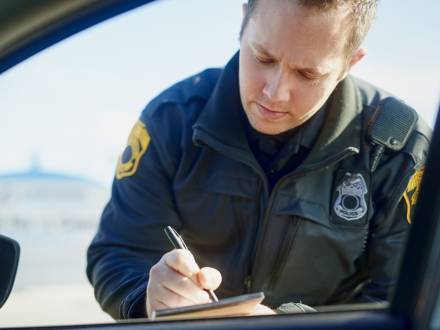
Failing field sobriety tests does not mean you will lose your DUI case. These roadside exercises are subjective. They are scored by the same officer who already suspected you were impaired, and sober people can perform poorly on them for reasons that have nothing to do with alcohol.
A poor performance on field sobriety tests does not automatically determine the outcome of a Virginia DUI case. If you are facing a charge in 2026, an Arlington, VA criminal defense lawyer can help you build a case to challenge the charge.
What Does Virginia Law Say About Driving Under the Influence?
Virginia prosecutes impaired driving under Va. Code § 18.2-266. In an alcohol-based DUI case, the Commonwealth may use a breath or blood test showing that your blood alcohol concentration (BAC) was 0.08 or higher. It can also rely on other evidence that you were under the influence of alcohol, including your speech, movements, behavior, or appearance.
Can I Fight a Reckless Driving Charge in Virginia?
 You can fight a reckless driving charge in Virginia, and you should, with help from an experienced attorney. Reckless driving is actually a criminal offense in Virginia, not a simple traffic ticket. If you're facing a reckless driving charge in 2026, our Alexandria, VA traffic crimes defense lawyer can help you understand your options and build a strong defense.
Is Reckless Driving a Crime in Virginia?
Virginia Code Section 46.2-862 sets a clear line for speed-related reckless driving. If you're caught going 20 miles per hour or more above the posted limit, that alone qualifies as reckless driving. The same is true if you're clocked above 85 miles per hour, regardless of what the speed limit actually was at that location.
Can You Be Convicted of Rape Based on Testimony Alone?
 You can be convicted on rape charges based on testimony alone in Virginia. The law does not require physical evidence or other witnesses to support a conviction. However, the testimony must be enough to prove every part of the charge beyond a reasonable doubt.
If you're facing this type of charge in 2026, our Vienna, VA sex crimes defense lawyer can help you build a strong defense. Attorney Bret Lee brings over 15 years of experience to these cases and takes a calming, confident, and reassuring approach with every client.
Does Virginia Law Require Physical Evidence for a Rape Conviction?
Under Virginia Code Section 18.2-61, rape can involve sexual intercourse against a person's will by force, threat, or intimidation. The law also covers certain situations involving mental incapacity or physical helplessness. It also applies when the victim is under age 13.
How Do I Fight an Assault Charge in Virginia?
 You can fight an assault charge in Virginia by challenging the evidence against you, raising a valid legal defense like self-defense, or showing that the incident doesn't actually meet the legal definition of assault. A charge requires a thorough understanding of the laws that apply in 2026, and Bret Lee Legal Solutions can help. Our Herndon, VA criminal defense lawyer will look at the specific facts of your case and help you figure out the strongest way to respond.
What Does Virginia Law Actually Require for an Assault Charge?
A common misconception is that assault means someone was physically hurt. But that's not quite right under Virginia law. Assault is addressed under Virginia Code Section 18.2-57. It can apply even if no physical contact ever happened. The law generally requires that the accused person intended to place someone in fear of immediate harm, and that the alleged victim reasonably believed harm was about to happen.
Expungements and Virginia’s New Sealing Law: What You Need to Know in 2026
 Beginning July 1, 2026, Virginia’s new criminal record sealing laws significantly expand the ability of individuals to protect their records from public view. For years, Virginia’s expungement laws were limited primarily to cases that ended without a conviction. The new sealing statute changes that by allowing certain past convictions and deferred dismissals to be sealed under specific circumstances.
If you have a criminal record in Virginia, understanding the difference between expungement and sealing is critical. While these processes are related, they are not the same, and the eligibility requirements can vary depending on how your case was resolved.
Attorney Bret Lee is a Fairfax County criminal defense attorney who helps clients throughout Virginia understand their options for protecting their records and moving forward after a criminal case.
What Are Common Defenses to DUI Charges in Virginia?
 If you have a Virginia DUI charge, that is just the start of your case, and not a predetermined final outcome. You have the chance to challenge the state’s case against you, and having experienced legal assistance in making that challenge gives you the best chance for a better outcome on your record. There are strong, meaningful defenses available in DUI cases in Virginia, and depending on the facts, your charges may be reduced or dismissed. The evidence in a DUI case can often be challenged, and the prosecution has to prove its case beyond a reasonable doubt. If you are facing a DUI charge in 2026, Bret Lee, a Northern Virginia and Prince William County DUI defense lawyer can review what happened during your stop and help you build a strong, evidence-backed defense.
What Does Virginia Law Say About DUI?
Under Virginia Code § 18.2-266, it is illegal to drive while your blood alcohol content is at or above 0.08 percent, or while you are under the influence of alcohol to a degree that impairs your ability to drive safely. There are also ways to be charged if the police believe you were under the influence of other drugs. The prosecution has to prove intoxication beyond a reasonable doubt. That standard allows for a strong defense, and there are several ways to challenge the evidence the state relies on.
 Send Us a Confidential Message Now
Fairfax Office

From our office in Fairfax, VA, we advocate for clients in Northern Virginia accused of criminal violations. We handle cases throughout Fairfax County and Prince William County, including Annandale, Buckhall, Burke, Centreville, Chantilly, Cherry Hill, Dale City, Dumfries, Gainesville, Herndon, Lake Ridge, McLean, Montclair, Oakton, Reston, Springfield, Stone Ridge, Sudley, West Springfield, and Woodbridge.
Results listed on this website are advertising materials. Past case results do not guarantee or predict future case results. Bret Lee Legal Solutions is committed to pursuing the best possible result for each client, but each case has unique facts and circumstances that may affect the outcome.
10521 Judicial Drive, Suite 100, Fairfax, Virginia 22030
703-936-0580